
What is an Ocularist?
Ocular prostheses are more than a cosmetic device — it is a medical prosthesis worn against delicate eye socket tissues every day. Comfort, tissue health, appearance, and long-term socket stability all depend on the clinical knowledge and skill of the practitioner.
Who May Need an Ocular Prosthesis?
People of all ages may require the care of an ocularist. Ocular prostheses are used when an eye is absent, severely damaged, or needs cosmetic and structural rehabilitation following disease, trauma, or congenital conditions.
What should I look for when choosing an Ocularist?
Choosing an ocularist is an important step in your care. A well-made, well-fitting prosthesis should feel comfortable, look natural, and support the long-term health of your eye socket.
Training and experience can vary between providers — so it’s important to know what to look for.
✔ Choose an Ocularist who has completed recognised mentorship training
Ocular prostheses require specialised clinical and technical skills that are developed through supervised, hands-on training over many years. Asking about training and experience helps you make a safe, informed choice.
✔ Ask about follow-up care
Prosthetic care is ongoing. Regular reviews help maintain comfort, fit, and socket health as your tissues change over time.
✔ Check that your Ocularist works with ophthalmologists when needed
Collaboration with medical specialists is important if clinical concerns arise.
✔ Feel comfortable asking questions
A good Ocularist will take the time to explain procedures, discuss your comfort, and talk through long-term care.
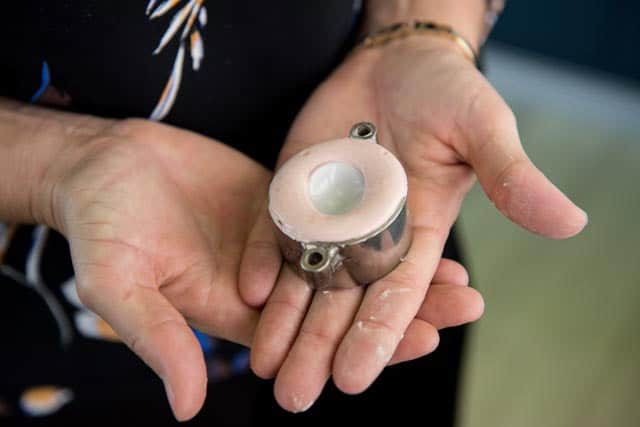
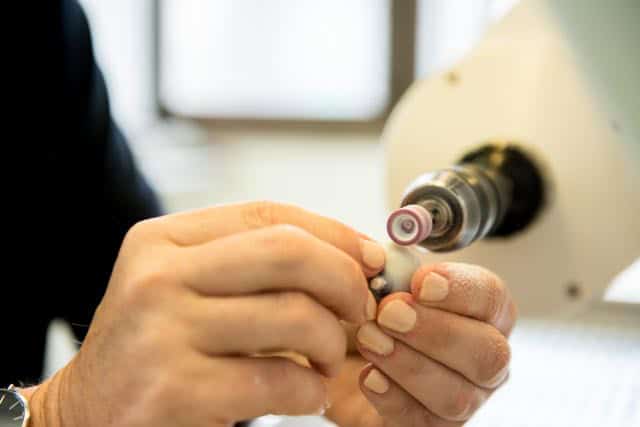
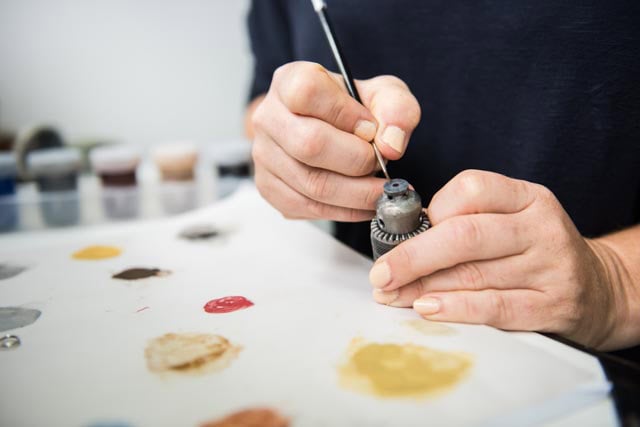
Common medical situations where referral to an ocularist is appropriate:
Eye Cancers:
Retinoblastoma
A childhood eye cancer that may require removal of the eye to save life and prevent spread of disease. An ocular prosthesis supports facial development, comfort, and appearance after surgery.
Uveal Melanoma
A cancer arising from structures inside the eye. In some cases, removal of the eye is required, followed by prosthetic rehabilitation.
Severe Eye Trauma
Accidents, burns, or penetrating injuries may lead to loss of the eye or a blind, painful eye requiring removal. An Ocularist helps restore facial symmetry and comfort after surgery.
Congenital Conditions
Anophthalmia
A baby may be born without one or both eyes. Early prosthetic treatment supports normal socket and facial growth.
Microphthalmia
A small or underdeveloped eye may require conformers or prosthetic shells to promote proper orbital development.
Painful or Disfigured Blind Eyes
Some eyes lose vision due to infection, glaucoma, retinal disease, or other conditions and become painful or shrunken. In certain cases, surgical removal followed by a prosthesis improves comfort and appearance.
Inflammatory Damage
Severe infections or inflammatory diseases can permanently damage the eye, sometimes leading to removal and prosthetic rehabilitation.
Treatment Options
Enucleation
Enucleation involves complete removal of the eyeball while leaving the surrounding muscles and orbital tissues intact.
This procedure may be required due to:
• Eye cancers such as Retinoblastoma or Uveal Melanoma
• Severe eye trauma where the eye cannot be repaired
• A blind, painful eye that does not respond to treatment
• Advanced infection or inflammation threatening overall health
After healing, a custom ocular prosthesis restores appearance and supports natural eyelid movement.
Evisceration
Evisceration involves removal of the internal contents of the eye while leaving the outer scleral shell and surrounding tissues in place.
It may be recommended in cases of:
• Severe eye infection that cannot be controlled
• A blind and painful eye
• Traumatic injury with irreversible internal damage
Following recovery, an ocular prosthesis is fitted to restore cosmetic appearance and improve comfort.
Exenteration
Exenteration is a more extensive procedure involving removal of the eye and some or all surrounding orbital tissues.
This surgery is usually performed for:
• Advanced or aggressive cancers affecting the eye socket
• Tumours involving surrounding structures
• Life-threatening disease where complete removal is necessary
Prosthetic rehabilitation after exenteration may involve more complex facial prosthetics, often created in collaboration with maxillofacial prosthetic specialists.
Phthisis Bulbi
A severely shrunken, non-functioning eye that may be uncomfortable or cosmetically distressing. Prosthetic management can improve comfort and appearance.
Custom Scleral Shells
Many patients living with a blind, disfigured, or phthisical eye are unaware that a custom scleral shell prosthesis may be an option to improve both comfort and cosmetic appearance. It is not uncommon for individuals to present years after vision loss expressing surprise that this form of rehabilitation was never discussed.
In suitable cases, a scleral shell can enhance symmetry, support eyelid function, and help restore confidence without the need for eye removal. Early referral allows patients to receive comprehensive information about their options and ensures prosthetic management is considered alongside ongoing ophthalmic care.

What’s the difference between a prosthesis, shell, conformer and lens?
These terms all describe devices worn on or in the eye socket, but they serve very different purposes:
Artificial Eye / Ocular Prosthesis
An ocular prosthesis (often called an artificial eye) is a custom-made device worn when an eye has been removed or is absent. It sits over an orbital implant or within the eye socket and is designed to restore appearance, support eyelid function, and maintain socket health.
Scleral Shell
A scleral shell is a thin, custom-made prosthesis worn over an existing eye that is blind, damaged, or shrunken. It improves cosmetic appearance and can sometimes enhance comfort, without removing the eye.
Conformer
A conformer is a clear, temporary device placed in the eye socket after surgery (such as enucleation or evisceration). Its purpose is to maintain the shape of the socket, support healing tissues, and prevent shrinkage before a custom prosthesis is fitted.
Contact Lens (Cosmetic or Medical Lens)
A contact lens sits on the surface of the cornea. While some lenses can improve appearance in certain eye conditions, they are not the same as an ocular prosthesis or shell and do not replace the volume or structure of a missing eye.
Patient Safety and Informed Choice
An ocular prosthesis is worn directly against sensitive eye socket tissues every day. A poorly designed or poorly fitted prosthesis can lead to ongoing discomfort, discharge or irritation, inflammation or long-term socket complications
When choosing an Ocularist, consider not only appearance but also comfort and tissue compatibility, proper socket assessment and follow-up care, use of appropriate materials and clinical procedures and communication with your ophthalmologist when needed
Choosing an Association member helps ensure your practitioner has completed recognised training and follows professional clinical standards.
Two important don’ts
✘ Don’t ignore ongoing discomfort
A prosthesis should not cause persistent pain or irritation. If it does, seek reassessment.
✘ Don’t skip follow-up appointments
Even a well-fitting prosthesis needs periodic review and polishing to keep your socket healthy.